

Yes. Estate planning is for anyone who has specific instructions they would like to see carried out after they die. Those don’t have to involve money, or a lot of it

ESTATE PLANNING
Planning for your ideal future
Estate planning in Washington state allows you to decide how your assets, health care decisions, and family responsibilities will be handled during your lifetime and after death.
Many people assume estate planning is only for those with significant wealth. It is not. If you own property, have children, or want a say in how decisions are made if something happens to you, having a comprehensive estate plan in place is important.
Without one, Washington law decides for you. That can mean decisions about your assets, your care, and your family will be made without your input.
Working with a Seattle estate planning lawyer gives you a structured way to think through these choices and put them into writing. This way, those in estate planning roles can follow your instructions, and your loved ones can have confidence that these are your final wishes and that they are being honored.
THINGS YOU SHOULD KNOW
What Is Estate Planning?
Estate planning is the process of putting legal documents in place that address three main areas:
- Who receives your assets
- Who makes decisions if you cannot
- How your affairs are handled after your death
In Washington state, an estate plan often includes a will, powers of attorney (health care and financial), and an advance directive. Your estate plan may include at least one trust, depending on your goals.
Why go through the trouble? A well-thought-out estate plan removes uncertainty and gives your family direction at a time when they would otherwise be left to figure things out on their own.

PROVIDING PEACE OF MIND
Why Having an Estate Plan Matters in Washington
Washington has specific laws that govern estate administration. These include community property laws and probate procedures in counties such as King County and throughout Washington state.
What this means is that if you die without a will, your estate will be distributed under Washington’s intestacy laws. It’s critical to understand that this process will not take your personal preferences into account.
If the state making decisions on your behalf makes you uneasy, you can prevent that from happening by creating an estate plan that is reflective of you. A clear estate plan allows you to:
- Decide who receives your assets and when
- Choose who will manage your estate (executor)
- Provide instructions for health care decisions, including end-of-life decisions
- Reduce the risk of disputes among family members
For Seattle families and those across Washington state, this type of advance planning can make a difficult time more manageable for those left behind.
DISTRIBUTING THE ESTATE
What Happens When You Work With a Seattle Estate Planning Lawyer
Every estate plan should reflect the person behind it. Since there is no standard template that works for everyone, an estate planning lawyer will create a plan that’s unique to you and your goals.
With this in mind, our Washington estate planning attorneys can guide you through the process step by step. We can help you understand your options and build a plan that fits your life as it is now. All of this would be reflected in:
- Will
- Powers of attorney (health care and financial)
- Health care directive
- Trust(s)
Given that we are also a full-service family law firm, we also work with clients going through divorce or other major life changes. Putting or updating estate planning documents during these periods can help protect your interests as your circumstances change. This includes we can help with community property agreements as well, if your situation calls for one.
ESTATE PLANNING DOCUMENTS
Wills and Trusts in Washington State
Wills and trusts are found in most estate plans. Though these documents are often used together, they serve different purposes.
Will
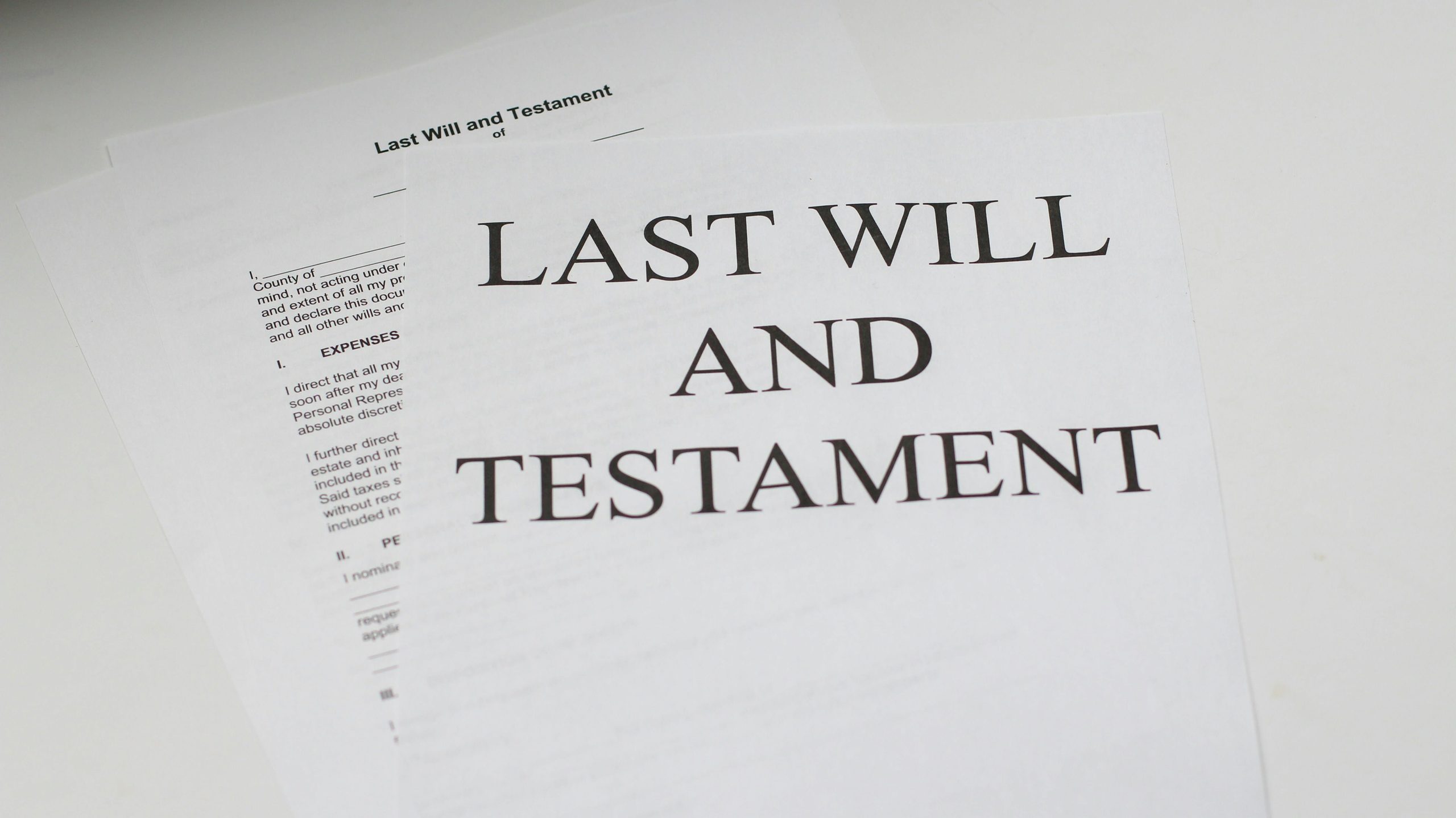
A will sets out how you intend your assets to be distributed and names the person responsible for carrying out your wishes, who is known as the executor.
There are rules for creating a will that help ensure its validity. In Washington state, a valid will must:
- Be in writing
- Be signed and dated
- Be witnessed by two competent adults
Again, if you die without a will, the state will decide how your estate is handled. Even small errors in a do-it-yourself will can create problems later, which is why many people choose to work with an experienced estate planning lawyer.
Trusts
Trusts provide a way to manage and distribute assets, offering both structure and flexibility. Depending on the type of trust, they can take effect during your lifetime or after your death. Common types of trusts follow.
Revocable Living Trust
A revocable living trust would be created during your lifetime and you can change or dissolve it at any time. Typically, you would manage the assets yourself as trustee. If you become unable to do so, a successor trustee, one you should name, would step in.
After your death, the trust would direct how assets get distributed. The most common reason for having this type of trust is to keep assets out of probate and make the transition easier for your family.
Irrevocable Trust
An irrevocable trust generally cannot be changed once it is in place. Assets transferred into the trust would no longer be owned by you personally. This type of trust may be used for tax planning or to protect assets in certain situations.
Testamentary Trust
A testamentary trust is created through your will and takes effect after your death. It is often used to manage assets for children or to spread distributions over time rather than providing them in a lump sum.
Special Needs Trust
A special needs trust is intended for a beneficiary with a disability. It allows assets to be used for their benefit while preserving eligibility for public assistance programs.
Charitable Trust
A charitable trust allows you to support causes that matter to you while also structuring how assets are distributed over time.
Spendthrift Trust
A spendthrift trust places limits on how a beneficiary can access funds. It can also help protect assets from creditors or from being spent too quickly.

DISTRIBUTING THE ESTATE
Probate in Washington State
Probate is the court process used to administer an estate. In places like King County and across Washington, the process follows a structured but generally efficient system.
If a will exists, the court first confirms its validity and allows the executor to act. If there is no will, Washington law will decide how the estate is settled.
Washington’s probate process is more streamlined than in many other states. In some cases, avoiding probate may not be necessary. A Washington state estate planning attorney can help you decide what the right approach is based on your assets and your goals.

PLANNING AHEAD
Planning for Life Changes
An estate plan should be updated as your life changes. We recommend reviewing your plan every three to five years, or after major events such as:
- Marriage or divorce (yours or a relative’s that could affect your wishes)
- Birth of a child or grandchild
- Moving to or from Washington
- Buying or selling property
Changes in tax laws or financial circumstances are also good reasons to revisit your estate plan.
EDUCATING & PLANNING
Estate Planning for Adult Children
Once a child turns 18, they are legally an adult. That means parents no longer have automatic access to medical information or the authority to make decisions on their behalf, making it important for them to have an estate plan.
A basic estate plan for a young adult can address:
- Health care decisions
- Financial authority if they become incapacitated
- Protection of assets
This type of planning is often overlooked but important to address, especially if your child will be living or attending college far away.


OUR PROCESS
A Thoughtful Process From Start to Finish
Creating an estate plan is a step-by-step process. Our Seattle estate planning lawyers will:
- Learn about your family and your priorities
- Review your assets and how they are titled
- Recommend a plan based on Washington law
- Draft and review your documents with you
- Finalize and execute your plan
Our utmost goal is to create an estate plan that works in practice, not just on paper, giving you and your loved ones the peace of mind you want and deserve. If you are just getting started, our webinar, “You Need a Plan,” offers a helpful introduction. When you are ready, we are here to help you move forward.
FAQ
Frequently Asked Questions
About Estate Planning in Washington State
Below are some of the most commonly asked questions about estate planning in Washington.
Do I need an estate plan if I do not have significant assets?
What happens to debt in an estate in Washington state?
Debts are typically paid from the estate before assets are distributed. In some cases, certain debts may not pass to family members, while others, such as joint obligations, may remain the responsibility of a surviving party.
What happens if I die without a will in Washington state?
Your estate will be distributed under Washington intestacy laws, which may not reflect your wishes.
How often should I update my estate plan?
You should update your estate plan every three to five years or after major life changes.
Do I need a trust in Washington state?
Not necessarily. It depends on your assets, your goals, and how you want your estate handled.
How much does estate planning cost in Seattle?
The cost of estate planning can vary depending on the complexity of your plan. A lawyer can explain options based on your situation.
Can I create my own will?
You can, but errors can create complications. Working with a lawyer helps reduce that risk.
STAY UP TO DATE
Subscribe to our newsletters
Subscribe to one or more of our newsletters, delivering meaningful insight on topics that matter to you and your family.

FURTHER READING
Blog Posts
-

Parental Alienation in Washington State Divorce
Continue Reading -
How Do Washington State Courts Decide What’s in the Best Interests of the Child?
Continue Reading -
Does it Matter Who Files for Divorce First in Washington State?
Continue Reading -
Elise Buie Family Law Named a 2026 Best in the PNW Family Law Winner
Continue Reading -
Mortgage and the Marital Home in a Washington State Divorce
Continue Reading





Contact Us
We would be happy to set up an initial consultation. Thank you for taking the time to read through our site; we look forward to supporting you.
Please do not include any confidential information in your communications until we verify that our office can represent you and confirm our engagement with you in writing. Prior to that, Elise Buie Family Law, including but not limited to any of its agents and representatives, does not legally represent you. Therefore, we have no duty of confidentiality to you, and there exists no attorney-client privilege between us.